
Unlocking the benefits of Microneedling - The ultimate guide
Lois Cook
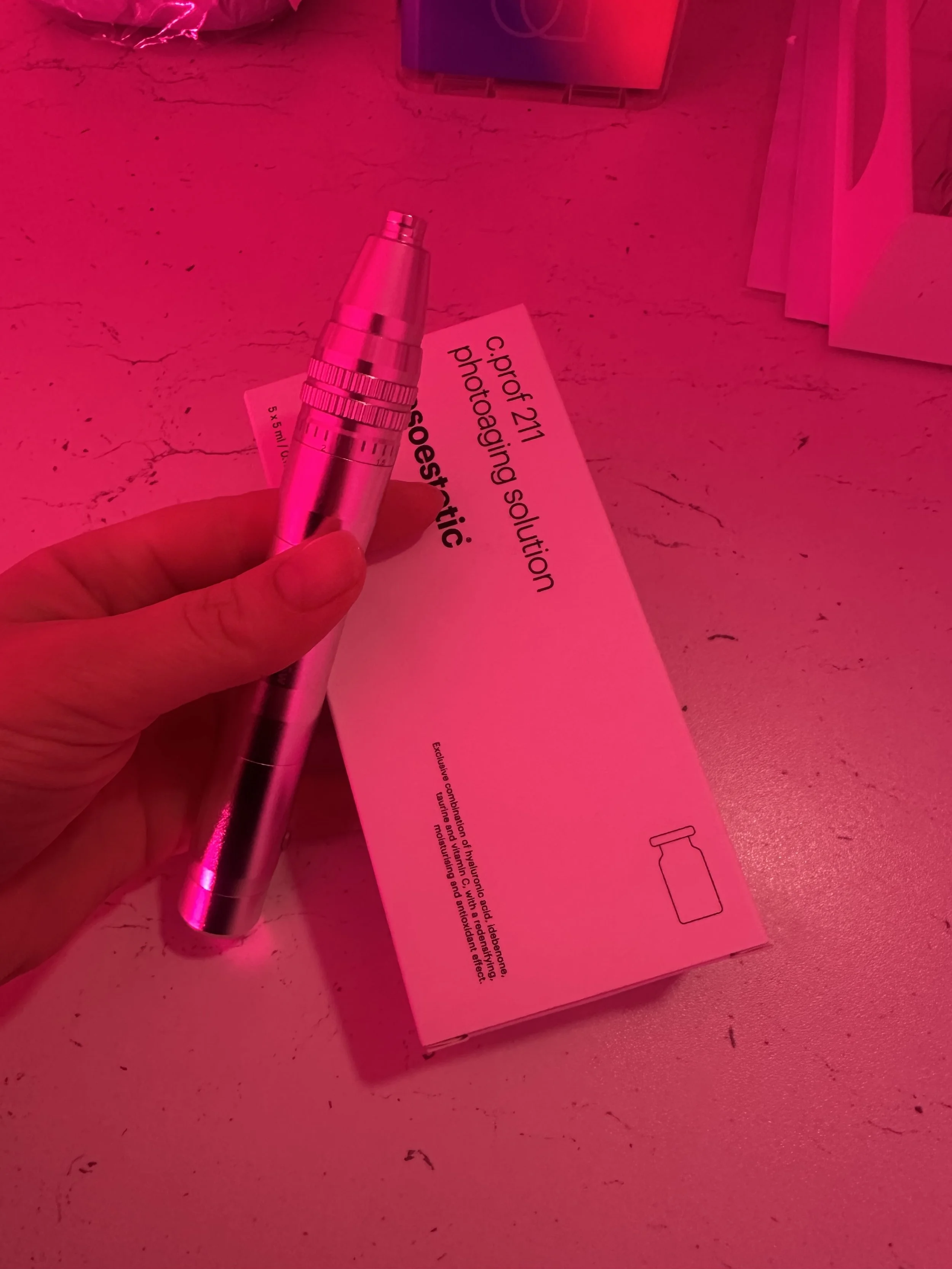
Microneedling has seen a surge in popularity recently—and for good reason. It’s a safe, effective, and increasingly sought-after treatment that can address a wide range of common skin concerns, and increase collagen and elastin within the skin- provided you choose the right specialists.
From softening fine lines and wrinkles to improving overall skin texture, minimising pores, reducing pigmentation, and diminishing the appearance of scars, microneedling is a powerful tool for skin rejuvenation.
What is Microneedling?
Microneedling is a fantastic regenerative procedure that harnesses the body’s natural healing processes. It works by using a device with dozens of fine, sterile needles to create controlled micro-injuries in the skin, which in turn stimulates the synthesis of new collagen and elastin.
This is how it works: the controlled micro-injuries signal to your body that repair is needed. This natural healing response includes a boost in the production of collagen and elastin—the essential proteins that give skin its structure, firmness, and elasticity. As we age, our natural levels of these proteins decrease, leading to wrinkles and sagging. By encouraging renewed production, treatments like microneedling help you to actively "bank" collagen for firmer, more youthful-looking skin.
What Microneedling is Good For?
Microneedling is a versatile treatment that is typically safe and effective for many different skin conditions. The following are some of the key benefits:
Improve Skin Texture: By reducing the visibility of flaws like stretch marks and certain types of acne scarring, microneedling improves the skin’s overall texture.
Reduce Fine Lines and Wrinkles: The increase in collagen and elastin synthesis directly helps to smooth out fine lines and wrinkles.
Minimise Pores: The treatment can lead to a reduction in pore size, enhancing the skin’s refined appearance.
Treat Hyperpigmentation: By assisting in the breakdown of excess melanin in the skin, microneedling can help lessen the visibility of dark patches and overall hyperpigmentation.
Brighten Complexion: By improving both skin tone and texture, the procedure can result in a more radiant, brighter complexion.
Enhance Scar Appearance: It can aid in lessening the visibility of various scars, including acne, surgical, and stretch marks.
Boost Product Absorption: The creation of microscopic channels in the skin temporarily improves the depth and efficiency of subsequent skincare product penetration.
Support Hair Health: When used alongside specific topical treatments, microneedling can also be beneficial for promoting hair growth.
Suitable for All Skin Types: Microneedling is generally considered safe and effective for all skin types, including sensitive skin.
This treatment is a powerful way to address skin issues and support long-term skin health.
What Happens During a Microneedling Treatment?
A session at The York Skin Clinic may take up to 60 minutes, this includes a comprehensive consultation, A customised skin plan and treatment, a mask and LED light therapy
Preparation: Your practitioner will first thoroughly cleanse and prepare your skin, removing any makeup and ensuring the area is sterile.
The Procedure: Once the skin is prepped, a bespoke treatment will be applied before the microneedling device will be carefully moved over the treatment area to create the micro-punctures. The depth of the needles is precisely controlled and will be determined by your practitioner based on the specific skin concern you are addressing. Depths usually range between 0.5 mm and 2 mm for deeper scarring.
Healing Stimulation: As the device passes over the skin, the microchannels promote the body’s natural healing process, stimulating the production of new collagen and elastin fibres to enhance texture and tone.
Post-Treatment Care: To conclude the treatment, your practitioner may apply a sterile mask, or LED light therapy to soothe the skin and encourage optimal healing and regeneration.
Understanding Microneedling Depths
Microneedling can be categorised into different depths, similar to chemical peels, and sometimes we even add in. Peels alongside the treatment. The depth used is always determined by your specific skin concerns, the device settings, and the expertise of your practitioner at The York Skin Clinic.
Superficial Microneedling (0.25 to 0.5 mm): This depth is often used for mild exfoliation and to significantly improve the absorption of skincare products.
Medium-Depth Microneedling (0.5 to 1.0 mm): This is typically used to treat mild to moderate skin concerns, such as fine lines, wrinkles, hyperpigmentation, and mild acne scars. This is a common depth performed in a clinical setting by a skincare specialist.
Deep Microneedling (1.5 to 3.0 mm): This procedure is reserved for more serious skin issues, including deep-set wrinkles, more pronounced acne scars, and stretch marks. This is always performed in a medical environment by qualified professionals.
A full consultation with your practitioner is essential to determine the ideal microneedling depth for your unique skin concerns and aesthetic goals.What
Happens After Microneedling?
Recovery time can vary depending on your individual skin type, sensitivity, and the needle depth used.
Immediate Side Effects: Common side effects immediately following the treatment include redness, mild swelling, a feeling of tightness, itching, and sensitivity. These symptoms usually subside within a few hours to a few days.
Healing: As the skin regenerates, you may experience slight peeling or flaking in the days following the procedure. This is typically mild and easily managed with a gentle moisturiser.
Returning to Activity: Most patients can resume their normal activities almost immediately. However, it is absolutely critical to protect your skin during the healing process by applying a broad-spectrum SPF 30 or higher daily and avoiding direct sun exposure.
Compared to more invasive cosmetic treatments, microneedling has a relatively short and manageable recovery period. Adhering to the aftercare guidelines provided by your practitioner is crucial for achieving the best results and reducing any potential side effects.
How Long Does It Take to See Results?
The time it takes to see the full benefits of microneedling can vary based on your skin condition and your personalised treatment plan. You may notice an immediate improvement in skin tone and texture shortly after the session, but the full, transformative benefits emerge over time.
The collagen production stimulated by the treatment continues to rise, meaning your skin will continue to improve in the weeks and months following the procedure. Most clients require a course of multiple treatments to achieve their desired effects, with each session spaced a few weeks apart to allow the skin to fully recover and rejuvenate.
While many people see some positive change within a few weeks of their first treatment, having realistic expectations is important. The final outcome is dependent on the severity of your initial skin concerns and your unique skin type.
How Many Treatments Will I Need?
The required number and frequency of your microneedling sessions are determined by your specific skin concerns and the bespoke treatment plan recommended by your practitioner.
Generally, a course of treatments spaced every 4-6 weeks for 3-6 months is advised to get the best results. This schedule allows your skin to progressively build more collagen and fully repair between sessions.
Following your initial series of treatments, maintenance sessions every three to six months are often recommended to sustain and prolong your results.
What is the recovery like after microneedling?
You may experience redness and swelling for 24-48 hours, similar to a mild sunburn. It is crucial to use SPF and follow the specific aftercare instructions.